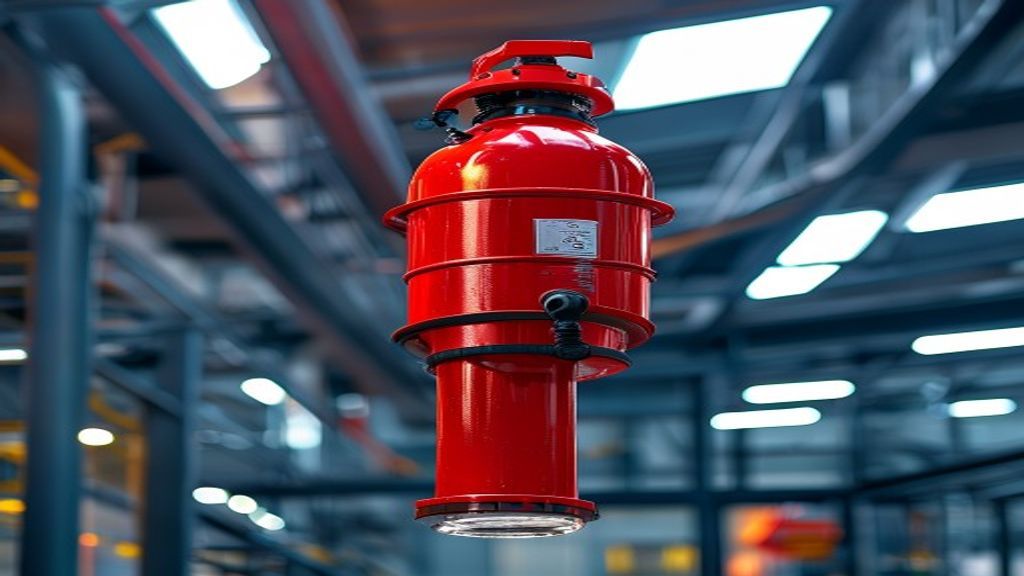
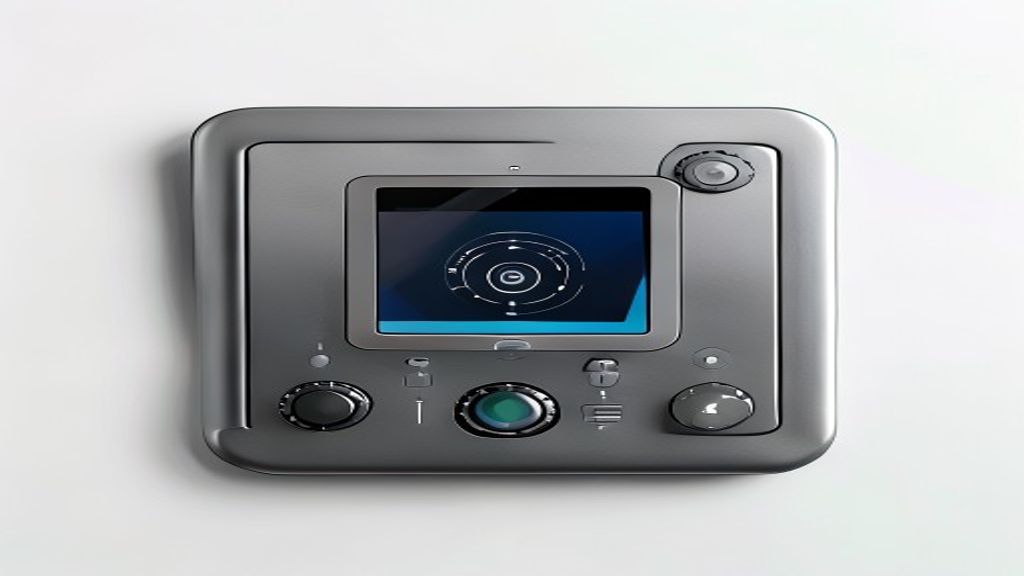
Digital Transformation of Fire Alarm Systems: Enhancing Efficiency and Safety in Saudi Commercial Buildings
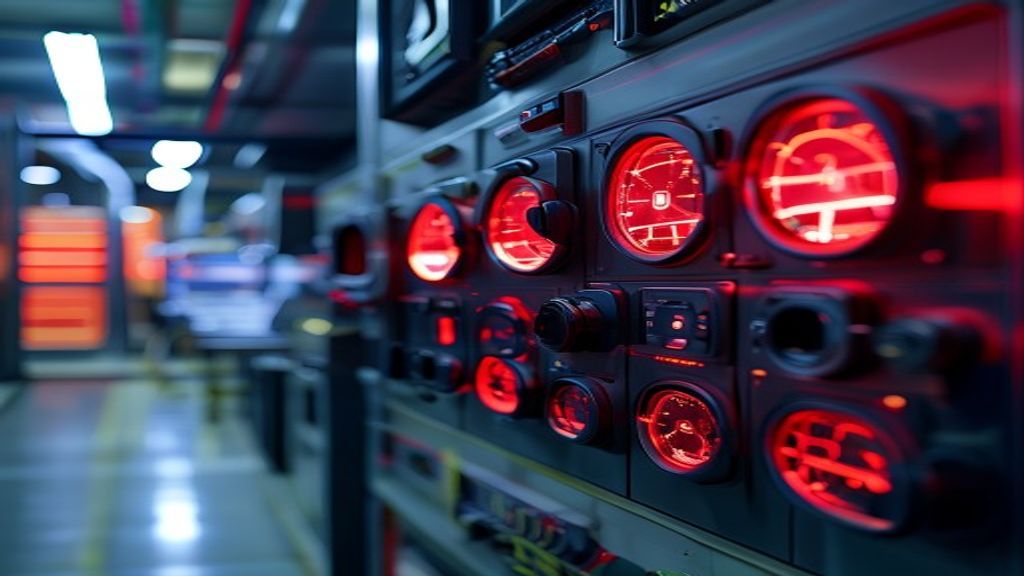
Introduction: Technology as a Driver of Safety in Saudi Commercial Buildings
In the rapidly evolving urban landscape of Saudi Arabia, where skyscrapers and modern commercial centers are growing at an accelerating pace, there is an urgent need for advanced and efficient safety systems. Fire alarm systems are the cornerstone of strategies to protect lives and property, especially in complex commercial environments with high human traffic and diverse activities. Traditional systems, despite their past importance, are no longer sufficient to meet modern safety requirements. This is where technological advancements intervene to revolutionize how fires are detected and responded to.
This article aims to explore the profound impact of digital transformation and technological innovations on improving the efficiency and effectiveness of fire alarm systems in commercial buildings across the Kingdom. We will focus on how these technologies, from the Internet of Things (IoT) and Artificial Intelligence (AI) to advanced detection systems, enable unprecedented levels of accuracy and speed in response, reduce false alarms, and provide valuable operational insights. Initial Safety recognizes the importance of this development in fostering a safe and sustainable environment, aligning with Saudi Vision 2030 for smart cities and safe communities.
Challenges of Traditional Fire Alarm Systems and Their Impact on Efficiency
Traditional fire alarm systems have long relied on individual point detectors connected to a central control panel via physical wires. Despite their effectiveness in certain environments, they face significant challenges in modern commercial buildings:
- Frequent False Alarms: Often affected by steam, dust, or even cigarette smoke, leading to unnecessary disruption and operational costs. You can learn more about false alarms in fire alarm systems and prevention methods.
- Difficulty in Precise Location Identification: In large and complex buildings, identifying the actual fire location can take a long time, hindering rapid response.
- Limited Integration: These systems often operate independently, reducing their ability to coordinate with other building systems (e.g., elevators, ventilation).
- Costly and Complex Maintenance: Requires regular manual inspection, and troubleshooting can be cumbersome.
- Lack of Flexibility and Scalability: Traditional systems are difficult to modify or expand to keep pace with changes in building design or requirements.
The Revolution of Modern Technologies in Fire Alarm Systems
Technological innovations have led to the emergence of a new generation of fire alarm systems that overcome these challenges, offering smarter and more effective solutions. Initial Safety is committed to implementing these advanced technologies to ensure the highest levels of safety.
Smart and Multi-Criteria Detectors
These devices use multiple sensors (smoke, heat, carbon monoxide, flame) in a single unit, supported by analytical algorithms that distinguish between real threats and false triggers. This significantly reduces unnecessary alarms and increases detection accuracy.
Internet of Things (IoT) and Wireless Connectivity
IoT technologies allow detectors and alarm devices to communicate with each other and with control systems wirelessly, facilitating installation, expansion, and maintenance. This network enables real-time data exchange, providing a comprehensive overview of the building's safety status. You can find more information on smart fire alarm systems: advanced technologies for comprehensive protection.
Artificial Intelligence and Machine Learning in Data Analysis
AI can analyze vast amounts of data from sensors to identify abnormal patterns that may indicate an early-stage fire, even before it develops into a dangerous situation. The system learns from past events, improving its ability to distinguish between real and false alarms over time.
Cloud Platforms and Remote Control
Cloud-based systems enable remote monitoring and management of fire alarm systems from anywhere. Operators can access system data, receive alerts, and even modify settings online, enhancing rapid response and operational flexibility.
Video Analytics and Visual Detection
Smart cameras equipped with video analytics technologies are used to detect smoke or flames in their early stages, especially in open or large spaces where traditional detectors might not be as effective. These systems can send immediate alerts with video footage to help assess the situation.
Operational and Preventive Advantages of Smart Systems
The impact of technology is not limited to improving detection; it also extends to enhancing overall operational and preventive efficiency.
Early and Accurate Detection
Smart systems enable the detection of fires at very initial stages, allowing more time for safe evacuation and rapid intervention. This significantly enhances the pivotal role of early fire detection systems in protecting lives and property.
Reduction of False Alarms
Thanks to multi-sensors and AI algorithms, modern systems can accurately distinguish between real smoke and other triggers, reducing disruption and unnecessary response costs.
Rapid and Coordinated Response
These systems enable immediate alerts to emergency teams and activate automatic evacuation protocols (such as opening emergency gates, stopping elevators, activating ventilation systems), all in a coordinated and effective manner.
Predictive Maintenance and Operational Efficiency
Smart systems can monitor the status of their components and report any potential malfunctions before they occur, reducing downtime, improving maintenance efficiency, and extending equipment lifespan.
Comprehensive Integration: Building an Integrated Safety Network for Buildings
The ability to integrate with other building systems is one of the most significant advantages of smart fire alarm systems. They can be linked to:
- Building Management System (BMS): To control lighting, HVAC, elevators, and access control systems.
- Security and Surveillance Systems: To direct cameras to the alarm area and provide immediate visual assessment of the situation.
- Fire Suppression Systems: To automatically activate sprinklers and gas systems upon fire detection.
- Voice Evacuation Systems: To broadcast clear and directed evacuation messages.
- Smartphone Applications: For authorized personnel to receive alerts and control remotely.
This integration creates a comprehensive safety environment that intelligently interacts to ensure a rapid and effective response to any emergency.
Compliance with Saudi and International Standards and Regulations
In Saudi Arabia, the design, installation, and operation of fire alarm systems are subject to strict standards to ensure the highest levels of safety. These systems require compliance with:
- Saudi Building Code (SBC 801): Specifies the technical requirements for fire alarm and detection systems.
- Saudi Civil Defense Directives: Outlines operational procedures and requirements for regular inspection and testing.
- International Standards (NFPA): The National Fire Protection Association (NFPA 72) standards are often adopted as a global reference for best practices in fire alarm system design and installation.
Smart systems facilitate compliance with these standards by providing accurate data logs, ease of testing and inspection, and adaptability to regulatory updates. Partnering with trusted safety solution providers, who possess a deep understanding of local and international standards, is vital to ensure compliance.
Best Practices and Avoiding Common Mistakes in Implementing Advanced Systems
To maximize the benefits of smart fire alarm systems, it is crucial to follow best practices and avoid common pitfalls:
Best Practices:
- Comprehensive Needs Assessment: Start with a detailed analysis of the building's requirements and potential risks.
- Professional Design: Engage specialized engineers in designing smart systems to ensure complete coverage and effectiveness.
- Selecting Reliable Suppliers: Choose companies with a proven track record in supplying and installing certified systems, such as Initial Safety.
- Effective Integration: Plan ahead for system integration with the building's existing infrastructure and other security systems.
- Continuous Training: Train staff and operators responsible for system operation and maintenance on handling the new system.
- Regular and Preventive Maintenance: Implement routine maintenance programs to ensure continuous efficient operation of the system.
Common Mistakes:
- Neglecting Updates: Failing to update system software and firmware can expose it to security vulnerabilities or reduce its efficiency.
- Sole Reliance on Technology Without Human Oversight: Technology should be a supportive tool, not a replacement for human supervision and intervention when needed.
- Failure to Conduct Comprehensive Testing: Not thoroughly testing the system after installation or modification.
- Inadequate Design: Attempting to cut costs with a design that does not meet all safety requirements or code standards.
The Future of Fire Alarm Systems: Innovations and Upcoming Trends
The future of fire alarm systems is heading towards greater intelligence, autonomy, and integration. We anticipate developments in:
- Deep Learning: To further increase fire detection accuracy and minimize false alarms.
- Robotics and Drones: For monitoring and initial inspection in hazardous or large areas.
- Smart Cities and Connected Buildings: Integration of fire alarm systems at the city level to create unified emergency response networks.
- Edge Computing: Processing data locally to reduce response time and increase reliability.
These innovations will form the backbone of the next generation of fire safety solutions.
Conclusion: Towards a Safer and Smarter Commercial Environment in the Kingdom
Technology has fundamentally transformed the field of fire alarm systems, offering more efficient, accurate, and integrated solutions for commercial buildings in Saudi Arabia. From AI-powered early detection to cloud-based remote management, these systems ensure unparalleled protection for lives and property. Adopting these technologies is not merely an option but a strategic imperative to ensure compliance with standards, achieve operational sustainability, and build a safer future. With companies like Initial Safety committed to providing the latest solutions, the Kingdom continues to lead innovation in the safety sector.
Frequently Asked Questions (FAQ)
| Question | Answer |
|---|---|
| What is the main difference between traditional and smart fire alarm systems? | Traditional systems rely on simple detectors connected to a control panel, while smart systems use multiple sensors, IoT, AI, and cloud connectivity to analyze data with greater accuracy, reduce false alarms, and provide remote management and monitoring. |
| Are smart fire alarm systems more expensive to install? | The initial installation cost of smart systems might be higher, but they often compensate for this in the long run by reducing false alarms, improving maintenance efficiency, reducing potential fire damage, and offering flexibility in expansion and integration. |
| How do modern technologies contribute to reducing false alarms? | Modern technologies use multi-sensors (such as smoke, heat, and carbon monoxide) and AI algorithms to analyze data from multiple sources and determine if an event poses a real threat, significantly reducing false alerts caused by steam or dust. |
| What are the most important standards to adhere to in Saudi Arabia when installing fire alarm systems? | Adherence to the Saudi Building Code (SBC 801), Saudi Civil Defense instructions, and often the National Fire Protection Association (NFPA 72) standards are adopted as international references for best practices. |
| Can existing traditional systems be upgraded to become smart? | In some cases, parts of traditional systems can be upgraded or integrated with smart components to enhance their efficiency. However, a complete system replacement might be required to fully leverage all the benefits offered by smart systems. It is advisable to consult an expert for feasibility assessment. |
| What is the role of the Internet of Things (IoT) in fire alarm systems? | IoT enables detection and alarm devices to communicate and exchange data wirelessly and in real-time, providing comprehensive monitoring, facilitating installation, and supporting remote management and predictive maintenance. |
Official References
- National Fire Protection Association (NFPA): Specifically NFPA 72 for Fire Alarm and Signaling Code.
- Saudi Building Code (SBC): Fire Safety Section (SBC 801).
- Saudi General Directorate of Civil Defense: Regulations and Requirements for Facility Safety.