Smart Fire Alarm Systems: Advanced Technologies for Comprehensive Protection
Introduction
In a world where security challenges are increasing, smart fire alarm systems have become an integral part of modern building infrastructure. These systems do not merely alert occupants when a fire breaks out; they leverage artificial intelligence and Internet-of-Things technologies to analyze data and drastically reduce false alarms.
Components of a Smart Alarm System
1. Advanced Sensors
The latest sensors incorporate multi-criteria technologies such as:
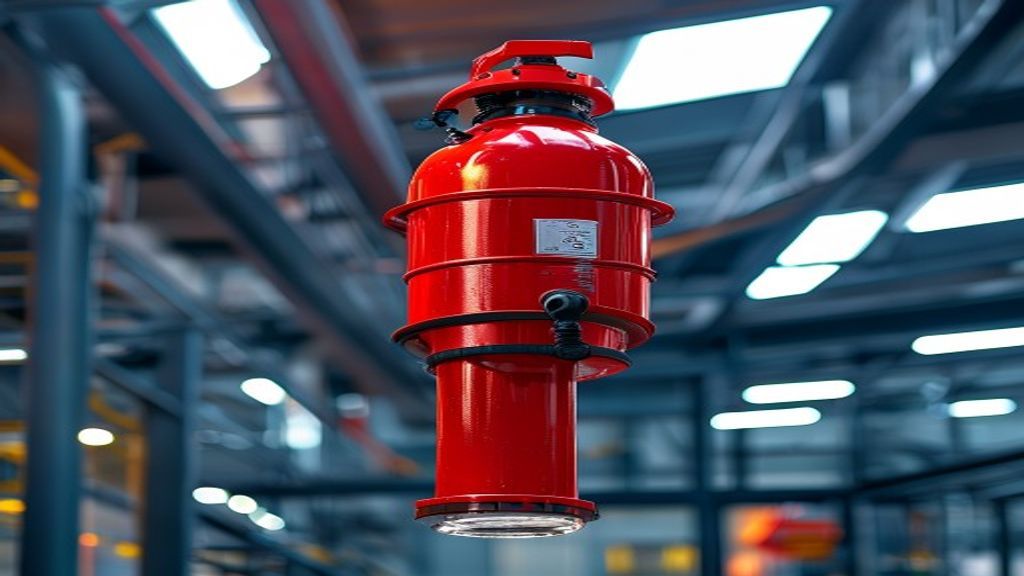
- Optical scattering smoke detection
- Thermal analysis for rapid heat rise
- Toxic and pre-combustion gas detection
2. Intelligent Control Panels
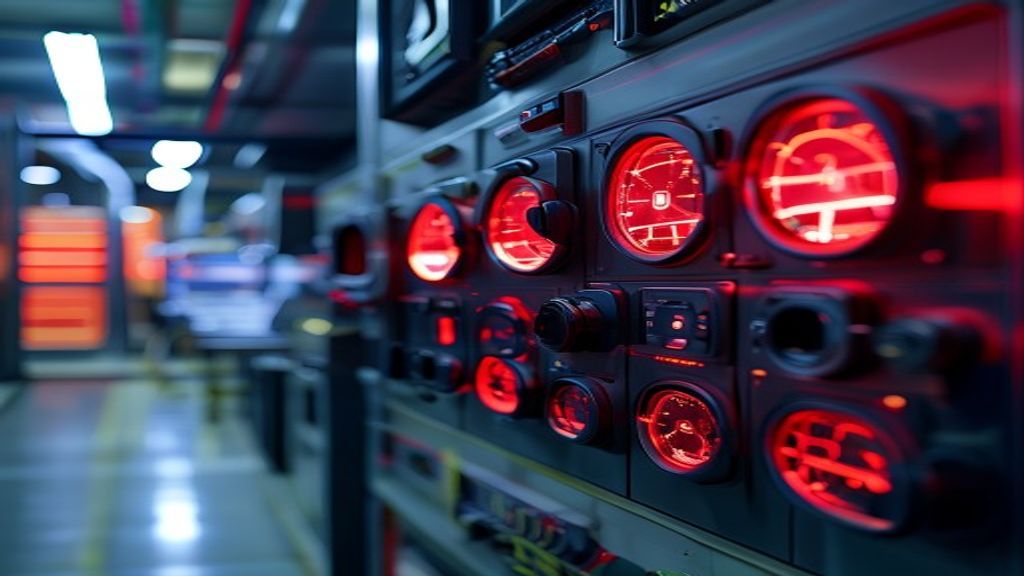
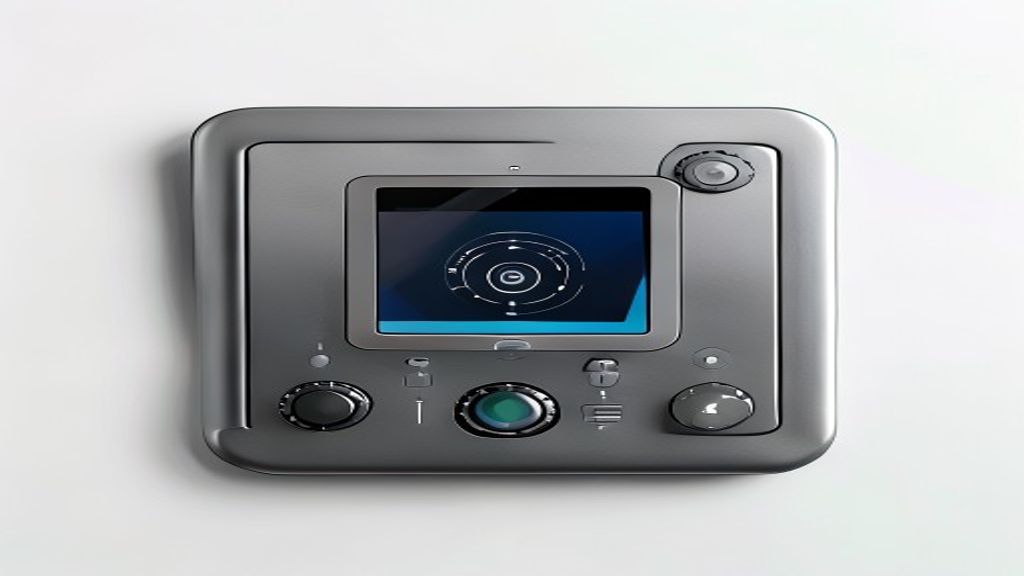
Control panels act as the brain of the system, processing sensor data to determine whether an emergency exists. They feature self-learning algorithms that adapt to the operating environment.
Benefits of Smart Alarm Systems
Early Warning
Smart systems detect fires at the incipient stage, providing a larger window for intervention before the situation escalates.
Building System Integration
Integration with HVAC, lighting, and elevator systems enables automated responses such as:
- Closing air vents to prevent smoke spread
- Activating emergency lighting
- Recalling elevators to the ground floor and disabling them
Remote Monitoring
Thanks to cloud connectivity, property owners or maintenance teams can monitor system health from anywhere and receive instant push notifications via mobile apps.
Artificial Intelligence Technologies
Machine-learning algorithms distinguish between burnt toast and real danger, cutting false alarms by up to 90 % compared with conventional systems.
Challenges and Solutions
Challenges
- High upfront installation cost
- Requirement for stable Internet connectivity
- Continuous firmware updates
Solutions
Vendors now offer:
- Monthly subscription models to lower CAPEX
- 5G-ready modules for reliable connectivity
- Zero-downtime over-the-air updates
Global Standards Compliance
Smart fire alarm systems must comply with stringent international standards such as EN54 and NFPA 72, ensuring reliability and safety. Several countries have begun mandating approved smart systems in all new construction.
Future Outlook
Next-generation systems will use video analytics to spot flames and smoke directly, while satellite backup communications will guarantee connectivity even when terrestrial Internet fails.
Conclusion
Smart fire alarm systems are no longer a luxury; they are a necessity for compliance and, more importantly, for creating safe, sustainable environments. As IoT and AI technologies mature, these systems will become even smarter and more efficient, making them a strategic investment for any facility.