Understanding Saudi Civil Defense Standard 0550062509 for Fire Extinguishing Systems in High-Rise Buildings: An Engineer's Guide
Introduction: The Imperative of Fire Safety in High-Rise Buildings
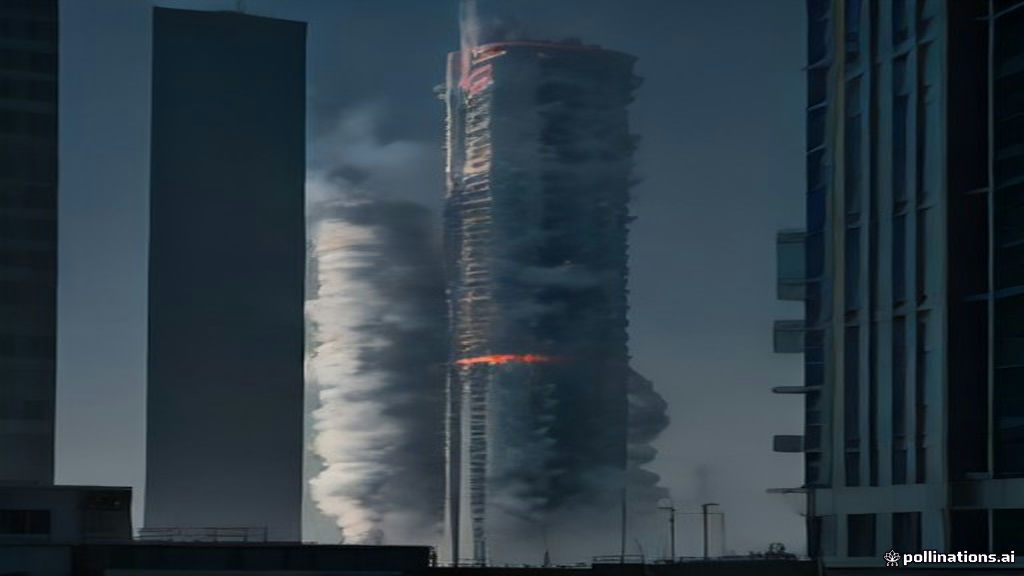
The Kingdom of Saudi Arabia is experiencing an unprecedented urban boom, with a growing number of high-rise buildings reaching for the sky. Alongside this growth, the importance of ensuring the highest safety standards, particularly concerning fire extinguishing systems, escalates. High-rise buildings present unique challenges during emergencies, in terms of occupant evacuation, rapid fire spread, and difficulty for firefighting teams to access. Therefore, implementing stringent standards for fire extinguishing systems is not merely a preventive measure but a critical necessity to protect lives and property. In this context, the Saudi Civil Defense Standard 0550062509 for fire extinguishing systems emerges as a fundamental reference for engineers and developers. Experts at Initial Safety emphasize that a deep understanding and diligent application of this standard are the cornerstones of designing and constructing safe and sustainable high-rise buildings.
Understanding Saudi Civil Defense Standard 0550062509
Saudi Civil Defense Standard 0550062509 is a vital document that outlines the technical requirements for the design, installation, and maintenance of fire extinguishing systems in high-rise buildings across the Kingdom. This standard is based on international best practices and codes, such as those issued by the National Fire Protection Association (NFPA), adapted to suit local conditions and needs. The primary objective of this standard is to provide a comprehensive framework that ensures the effectiveness of fire extinguishing systems, rapid response to fires, and minimization of risks.
Significance of the Standard for Engineers
- Design Guidance: The standard offers detailed guidelines for architectural, civil, mechanical, and electrical engineers on how to integrate fire extinguishing systems into building designs.
- Compliance Assurance: It assists engineers in ensuring their projects comply with local regulations, which is essential for obtaining construction and operational permits.
- Achieving Safety: It guarantees that designed systems are capable of effectively handling potential fire scenarios in high-rise structures.
- Avoiding Costly Mistakes: Adherence to the standard from the outset reduces the need for expensive redesigns or modifications later in the project lifecycle.
Key Components of Fire Extinguishing Systems as per the Standard
Saudi Civil Defense Standard 0550062509 mandates a comprehensive suite of fire extinguishing systems to ensure holistic protection. Initial Safety, drawing from its experience in the Saudi market, recommends seamless coordination and integration among these systems to maximize effectiveness.
1. Automatic Sprinkler Systems
Automatic sprinkler systems are the cornerstone of fire suppression in high-rise buildings. The standard specifies their design and installation requirements in accordance with NFPA 13, including:
- Coverage: Sprinklers must cover all areas of the building, including corridors, rooms, and parking areas, with limited exceptions.
- Water Supply: A reliable and adequately sized water source must be provided to ensure continuous water flow to the sprinklers for a specified duration.
- Sprinkler Types: Selection of appropriate sprinkler types (wet, dry, pre-action, deluge) based on occupancy type and potential hazards.
- Pressure and Flow: Ensuring the required pressure and flow at each sprinkler head to achieve maximum efficiency in fire suppression.
2. Standpipe and Hose Systems
These systems are crucial for civil defense teams to control fires. The standard, based on NFPA 14, outlines requirements such as:
- System Classes: Defining the appropriate class (I, II, III) based on building height and occupancy type.
- Valve Locations: Fire department connections and hose valves must be easily accessible and strategically distributed on each floor.
- Pressure: Providing sufficient water pressure at each valve to enable firefighters to effectively use their hoses.
3. Fire Pumps
Fire pumps are the heart of fire extinguishing systems, ensuring the necessary pressure and flow. The standard emphasizes:
- Capacity and Design: Selecting pumps with adequate capacity based on the building's hydraulic requirements (as per NFPA 20).
- Reliability: Providing redundant pumps (e.g., jockey pumps) and ensuring independent and reliable power sources (electric and diesel).
- Installation Locations: Pumps must be located in dedicated, fire-rated rooms that are easily accessible.
4. Fire Alarm and Detection Systems
Early fire detection is vital. The standard specifies requirements for alarm and detection systems (as per NFPA 72), including:
- Smoke and Heat Detectors: Strategic distribution throughout the building.
- Control Panels: Centralized control panels for monitoring and management.
- Notification Devices: Sirens, speakers, and strobe lights to alert building occupants.
- Integration with Other Building Systems: Interconnection with elevator controls, HVAC systems, and automatic suppression system activation.
5. Emergency Exits and Evacuation Routes
While not fire extinguishing systems in the traditional sense, the standard emphasizes the importance of clear and protected emergency exits and evacuation routes to ensure safe and swift occupant egress. This includes fire-rated doors, emergency lighting, and clear signage.
Design and Installation: Critical Considerations for Engineers
Adherence to Standard 0550062509 during the design and installation phases demands meticulous precision and a deep understanding of technical requirements.
1. Hydraulic Calculations and Coordination
Engineers must perform accurate hydraulic calculations to determine pipe sizing, pump capacities, and sprinkler types. This requires close coordination among all engineering disciplines (mechanical, electrical, civil) to ensure systems do not conflict and are fully integrated. The Initial Safety team has observed in numerous projects that early coordination prevents costly errors that may emerge in later stages.
2. Material Selection and Quality
All components of fire extinguishing systems (pipes, valves, sprinklers, pumps) must be selected according to technical specifications approved by Civil Defense and international standards. High material quality ensures system reliability and longevity.
3. Pre-Commissioning Tests and Approval
Before project handover, comprehensive testing of all fire extinguishing systems must be conducted to ensure they are fully operational and meet all requirements. This includes pipe pressure tests, pump flow tests, and alarm system tests. These tests must be approved by the Civil Defense authorities.
Maintenance, Testing, and Compliance: Ensuring Long-Term Safety
The standard's role extends beyond design and installation; it encompasses regular maintenance and periodic testing to ensure the continuous readiness of fire extinguishing systems.
1. Preventive Maintenance Programs
Comprehensive preventive maintenance programs must be established and implemented, including routine inspection of all system components (sprinklers, pumps, valves, detectors). Standards stipulate specific intervals for these inspections (daily, weekly, monthly, annually).
2. Periodic Testing
This includes pump tests, water flow tests, alarm device tests, and backup battery tests. These tests ensure that systems will operate efficiently when needed.
3. Record Keeping and Reporting
Accurate records of all maintenance and testing activities, as well as any repairs or modifications, must be kept. These records are essential for compliance with Civil Defense requirements and for tracking system performance over the long term.
Challenges and Best Practices in Implementation
Engineers face several challenges when applying this standard, especially in large and complex projects.
Common Challenges:
- Space Constraints: Dedicated spaces for fire extinguishing systems and fire pumps can be limited in modern designs.
- Water and Power Sources: Ensuring the availability of adequate and reliable water sources and backup power for pumps and electrical systems.
- Integration with Smart Building Systems: Integrating fire extinguishing systems with Building Management Systems (BMS) requires advanced expertise and technologies.
- Training and Awareness: Ensuring sufficient training for building occupants and maintenance teams on how to interact with fire extinguishing systems in emergencies.
Best Practices:
- Early Planning: Integrating fire extinguishing system requirements into the initial design phases.
- Multidisciplinary Collaboration: A fully integrated team of engineers from various disciplines.
- Utilizing Modern Technologies: Leveraging Building Information Modeling (BIM) for coordination and clash detection. Engineers at Initial Safety adopt a comprehensive methodology that combines field expertise with the latest technologies to deliver integrated solutions.
- Continuous Training: Providing ongoing training programs for engineers, technicians, and end-users.
The Engineer's Pivotal Role and Professional Responsibility
Engineers bear significant responsibility in translating the requirements of Saudi Civil Defense Standard 0550062509 into tangible reality. This role begins from the conceptual and preliminary design phase, extends through supervision of implementation, and culminates in final testing and handover. The engineer must ensure that every aspect of the fire extinguishing system meets stringent standards not only from a technical standpoint but also from a holistic safety perspective.
The professional responsibility of an engineer includes:
- Regulatory Compliance: Ensuring full compliance with all relevant Civil Defense regulations and international standards.
- Quality and Safety: Selecting high-quality materials and equipment and overseeing installation to guarantee the highest safety levels.
- Effective Coordination: Working harmoniously with all project stakeholders to ensure the seamless integration of safety systems with the rest of the building's infrastructure.
- Accurate Documentation: Maintaining all drawings, specifications, testing documents, and records accurately and systematically.
Conclusion: Towards a Safer Built Environment
Implementing Saudi Civil Defense Standard 0550062509 for fire extinguishing systems in high-rise buildings is not merely a legal obligation but an investment in a safe and sustainable future for urban communities in the Kingdom. Through a thorough understanding and strict application of this standard, engineers can effectively contribute to building living and working environments that protect lives and property from fire hazards. True safety lies in the details and in every engineer's commitment to quality and professionalism. For technical consultation or Civil Defense-approved installation and maintenance services, contact Initial Safety via initialsafety.sa.
References
- Saudi Civil Defense Code (SCD) and Regulations, specifically Standard 0550062509 (Fire Extinguishing Systems in High-Rise Buildings).
- NFPA 13: Standard for the Installation of Sprinkler Systems.
- NFPA 14: Standard for the Installation of Standpipe and Hose Systems.
- NFPA 20: Standard for the Installation of Stationary Pumps for Fire Protection.
- NFPA 72: National Fire Alarm and Signaling Code.
- NFPA 101: Life Safety Code.
- ISO 45001: Occupational Health and Safety Management Systems.