Fire Water Tanks Specifications: Key Standards and Requirements in Saudi Arabia
Introduction
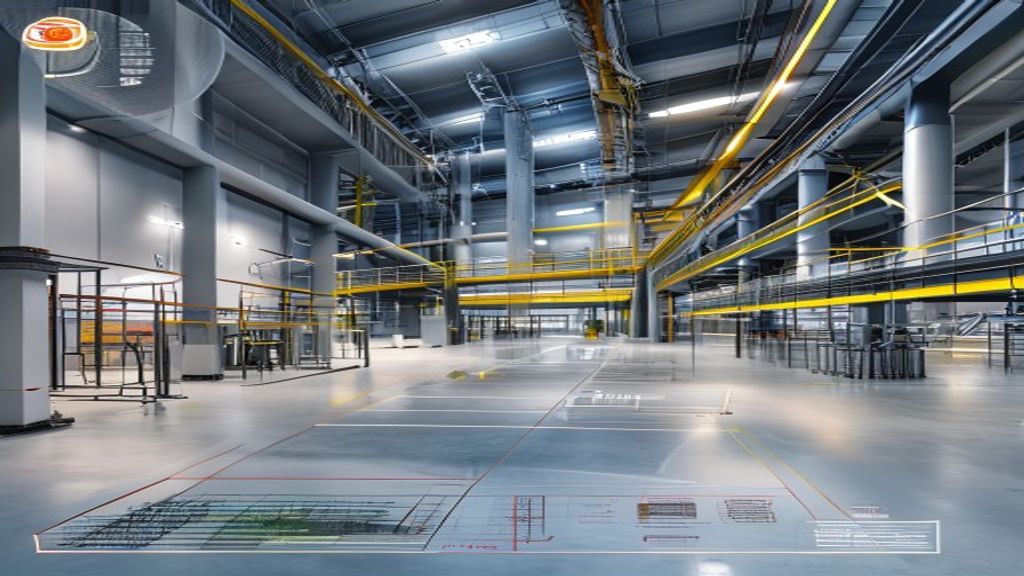
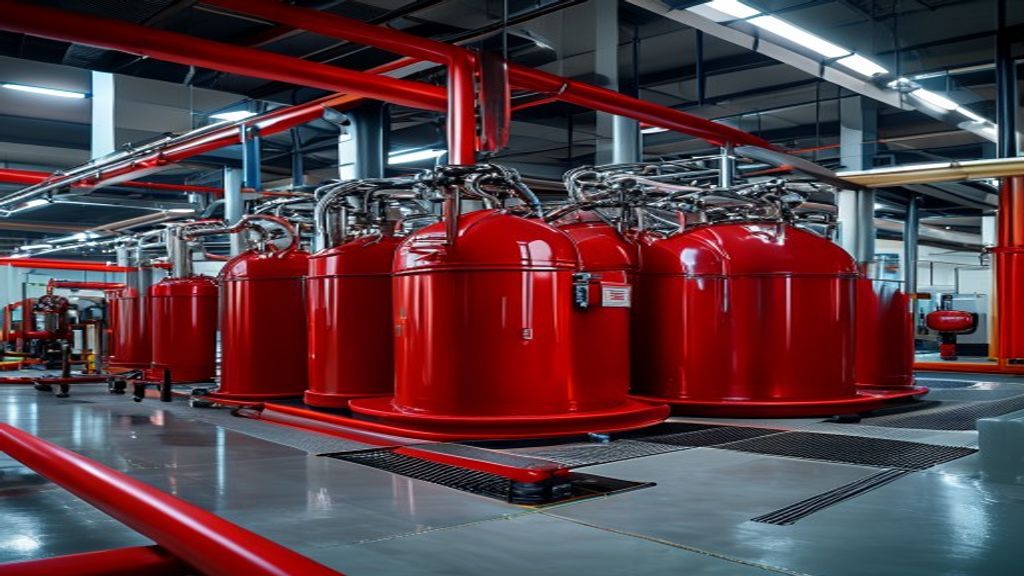
Fire water tanks are a core component of any fire safety strategy and are highly emphasized by the Saudi civil defense authority. These tanks store sufficient water for fire suppression activities, feeding sprinklers, fire pumps, and hose reels when a blaze occurs.
Importance of Fire Water Tanks
Reliable water supply is critical because municipal networks can fail during an incident. Dedicated tanks guarantee uninterrupted support to sprinkler systems, fire extinguishers, and hydrants, aligning with both NFPA standards and local regulations across Saudi Arabia.
Key Technical Specifications
1. Capacity
Volume is calculated from hazard classification, building height, occupancy type, and required flow rate. NFPA recommends at least 30 minutes of water for the highest demand zone, plus an additional 150 gpm for hose streams.
2. Tank Types
- Reinforced concrete: durable for large capacities but needs waterproof membranes.
- Fiberglass (GRP): corrosion-resistant, lightweight, and fast to install.
- Galvanized steel: cost-effective, yet internal linings are mandatory to prevent rust.
3. Material Standards
Materials must comply with NFPA 22 and relevant ISO documents, be UV-stable, non-toxic, and corrosion-proof to maintain water quality.
Saudi Civil Defense Requirements
The General Directorate of Saudi Civil Defense mandates that every commercial, industrial, and high-rise building install a dedicated tank, connect it to fire pumps, and integrate it with fire alarm panels. Tanks should include access hatches, overflow, drain, level indicators, and anti-vortex plates.
Installation & Maintenance
Installation drawings must be approved by a licensed engineering office. The tank should be placed at an adequate distance from any emergency exit to avoid obstruction. Maintenance protocols include:
- Semi-annual cleaning to remove sediment.
- Annual inspection of walls and joints for cracks or leaks.
- Testing refill and discharge rates.
- Verification of smoke detector signals to the main panel.
Compliance with NFPA & ISO
NFPA 22 covers design, materials, seismic anchorage, heating for cold climates, and hydrostatic testing. ISO standards such as ISO 5667 guide water sampling to ensure quality. Local municipalities may request witnessing of tank acceptance tests before occupancy permits are issued.
Selecting an Approved Supplier
Choose vendors certified to ISO 9001, offering at least ten-year structural warranties, and providing local after-sales service throughout the Kingdom. Verify factory calibration of level sensors and compatibility with variable-speed fire pumps.
Conclusion
Specifying the correct fire water tank is not only a regulatory obligation but a strategic investment in life safety and asset protection. Adherence to NFPA guidelines and Saudi Civil Defense regulations safeguards occupants, reduces insurance premiums, and ensures rapid intervention when every second counts.
References
- NFPA 22: Standard for Water Tanks for Private Fire Protection, 2018 Edition.
- Saudi Civil Defense Regulations: Fire Protection Systems Requirements, 2021.
- ISO 5667-6: Water quality – Sampling – Part 6: Guidance on sampling of rivers and streams, 2014.
- International Building Code (IBC), Chapter 9: Fire Protection Systems, 2022.