Evaluating and Updating the Effectiveness of Fire Safety Systems in Existing Facilities in Saudi Arabia
Introduction: Why Evaluating Fire Safety Systems in Existing Facilities is an Absolute Necessity?
Fire safety represents a cornerstone in the design and operation of any facility. This challenge becomes more complex when dealing with existing facilities that may have been constructed according to previous standards or undergone functional and structural changes over the years. In the Kingdom of Saudi Arabia, with the accelerating pace of urban and industrial development, the need to evaluate the effectiveness of fire safety systems in existing buildings is not just a regulatory compliance, but a paramount necessity to protect lives, property, and business continuity. This specialized article aims to highlight the critical importance of comprehensive evaluation processes, focusing on the Saudi legislative framework and international best practices. Ensuring a safe environment begins with a precise understanding of the current state of systems, and then taking the necessary corrective and developmental actions. This is where experts like Initial Safety come in, to provide integrated solutions that guarantee the highest levels of protection. This evaluation is not limited to verifying the existence of systems, but extends to ensuring their operational efficiency, suitability for current risks, and their ability to respond effectively to any potential fire emergency. It is an investment in the future, preventing significant losses and enhancing confidence in the work environment.
Legislative Framework and Approved Standards in Saudi Arabia
The Kingdom of Saudi Arabia adopts a set of strict legislations and standards governing the design, implementation, and maintenance of fire safety systems. Foremost among these is the Saudi Fire Code (SBC 801), which is largely based on the international NFPA (National Fire Protection Association) code, adapted to suit local conditions and requirements. The Saudi Civil Defense also issues detailed regulations and guidelines that complement these codes and clarify application and inspection mechanisms.
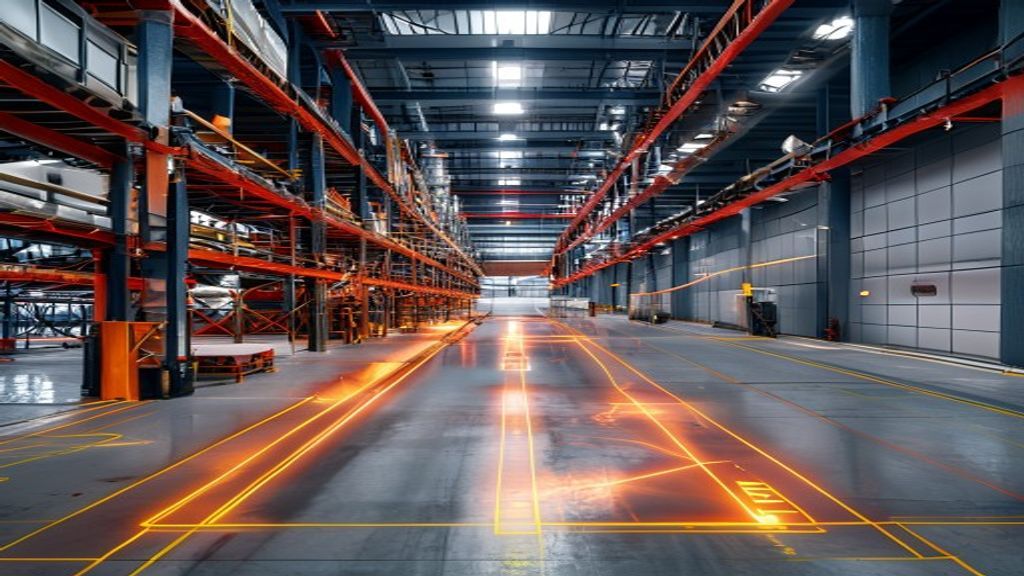
Understanding these legislative frameworks is the first and essential step for any evaluation process. Project engineers and facility managers must be fully aware of the latest updates and amendments to these codes to ensure continuous compliance. For example, SBC 801 addresses specific requirements for different types of facilities, from residential buildings to complex industrial installations. The standards also emphasize the importance of conducting periodic risk assessments, especially in facilities that may have a special nature such as industrial warehouses. Specialists can leverage available expertise in the market to ensure accurate application of these standards, especially when dealing with comprehensive fire protection requirements in industrial and storage warehouses in Saudi Arabia.
The role of the legislative framework is not limited to setting rules; it extends to enforcing inspection and follow-up mechanisms to ensure their application. This means that facilities that do not comply with the standards may face penalties and fines, in addition to the serious risks that may result from any fire incident. Therefore, periodic evaluation of safety systems is not a luxury, but a fundamental commitment that rests on the shoulders of owners and facility managers.
| Legislative Reference | Primary Focus |
|---|---|
| Saudi Fire Code (SBC 801) | Design, implementation, and maintenance requirements for active and passive protection systems. |
| NFPA Code | Comprehensive international standards covering all aspects of fire safety. |
| Saudi Civil Defense Regulations | Practical guidelines, licensing requirements, inspection and follow-up procedures. |
Stages of the Fire Safety System Evaluation Process
To ensure a comprehensive and effective evaluation, a structured methodology involving several key stages must be followed:
Initial Assessment and Field Survey
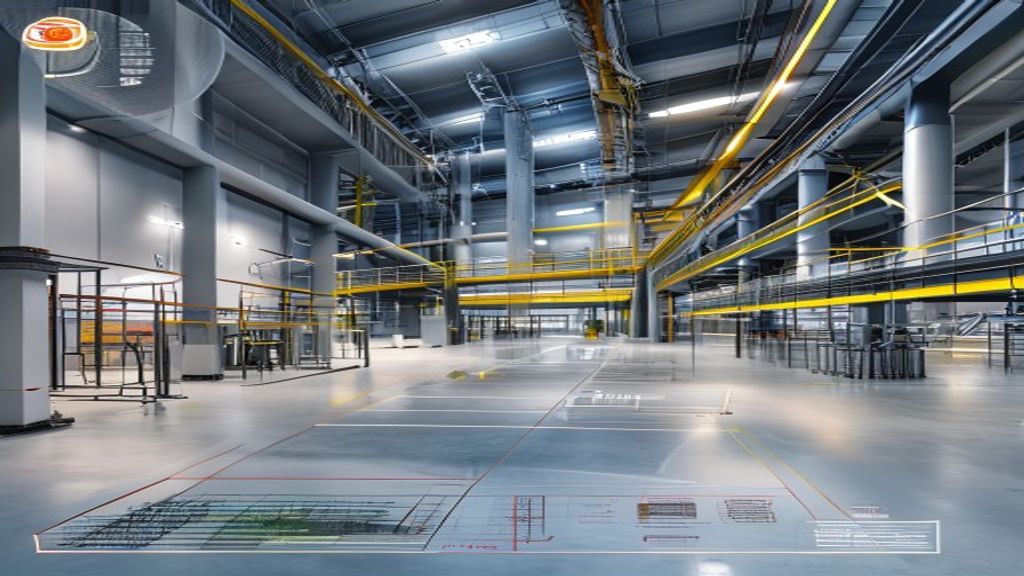
This stage is the starting point, where all documents related to the facility (architectural plans, safety system drawings, previous maintenance reports, compliance certificates) are collected. This is followed by a comprehensive field survey of the site to document the condition of existing systems and identify any undocumented modifications or additions. This includes inspecting portable fire extinguishers, emergency exits, emergency lighting systems, and escape routes.
Risk Analysis and Gap Identification
After data collection, a precise analysis of potential risks is conducted based on the facility's use, stored materials, and ongoing operations. The current situation is compared with current legislative requirements (SBC 801, NFPA) to identify any gaps or shortcomings in the systems. This may include insufficient sprinkler coverage, outdated alarm systems, or non-compliant building materials. For example, in agricultural facilities, a specialized fire risk analysis may be required to determine effective prevention and protection strategies.
System Testing and Operational Efficiency
The mere presence of systems is not enough; their effectiveness must be ensured. This stage involves comprehensive functional tests of all fire safety system components:
- Alarm Systems: Testing smoke and heat detectors, audible and visual alarms, and the main control panel.
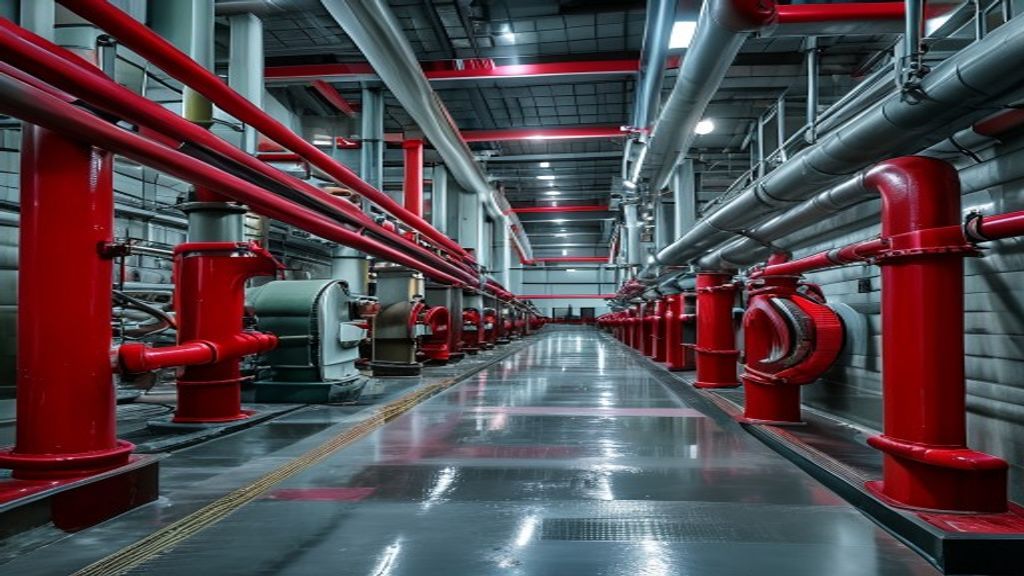
- Extinguishing Systems: Testing water pressure in sprinkler networks, pump inspection, and testing clean agent extinguishing systems (if present).
- Smoke Evacuation Systems: Verifying the operation of smoke extraction fans, fire dampers, and stairwell pressurization systems.
- Emergency Systems: Testing emergency lighting, emergency exit signs, and internal communication systems.
A detailed report is issued at this stage, outlining the test results and necessary recommendations for improving system effectiveness.
Types of Fire Safety Systems Subject to Evaluation
Evaluating the effectiveness of fire safety systems requires a deep understanding of the various components that work together to provide comprehensive protection. These systems can generally be classified into active systems (requiring intervention or activation) and passive systems (relying on building characteristics and materials).
Fire Alarm and Detection Systems
These systems are the first line of defense and include: smoke and heat detectors of various types, manual pull stations distributed throughout the facility, central control panels that receive signals and issue alarms, and audible and visual alarm devices. The coverage of these detectors, the condition of control panels, and the efficiency of alarm devices are evaluated.
Automatic Extinguishing Systems (Sprinklers, Gases)
These systems are vital for automatically controlling and extinguishing fires:
- Water Sprinkler Systems: Of various types (wet and dry, deluge systems), with a focus on water pressure, sprinkler coverage, and pump and tank maintenance.
- Clean Agent Extinguishing Systems: Such as FM-200 and Novec 1230, used to protect sensitive areas (server rooms, control panels), where cylinder integrity, distribution lines, and activation system efficiency are evaluated.
Smoke Evacuation and Control Systems
Smoke is one of the greatest hazards in a fire. These systems aim to extract smoke from escape routes and critical areas, and control smoke spread to prevent visibility impairment and oxygen deprivation. They include smoke extraction fans, ventilation openings, and fire dampers in air ducts.
Evacuation and Escape Systems
These systems focus on enabling building occupants to exit safely: the number, width, and condition of emergency exits, emergency lighting to ensure visibility during power outages, and clear signage for escape routes. Initial Safety ensures the accurate evaluation of all these systems to guarantee their integration and effectiveness.
Common Challenges When Evaluating Existing Facilities
Existing facilities present a unique set of challenges that can hinder the effective evaluation of fire safety systems:
- Lack of Documentation: Older buildings often lack complete or updated records of safety systems, making it difficult to understand the original design.
- Undocumented Modifications: The facility may have undergone structural or functional changes over the years without updating plans or security systems to match the changes.
- Aging Systems and Equipment: Over time, older systems lose their efficiency, and spare parts may become scarce or manufacturers may cease supporting them.
- Change in Building Use: The purpose of the building's use may change (e.g., from office to commercial or industrial), altering the nature of risks and requiring a comprehensive re-evaluation of systems.
- Difficulty of Access: In some facilities, accessing certain system components (such as hidden sprinklers or smoke ducts in false ceilings) can be difficult and costly.
- Resistance to Change: Facility managers or owners may find it difficult to accept the need for costly updates, especially if they believe the systems are 'working well'.
Overcoming these challenges requires extensive experience and a flexible methodology, focusing on practical solutions that ensure compliance at a reasonable cost.
Practical Examples and Applications in the Saudi Market
Several sectors in Saudi Arabia demonstrate the urgent need to evaluate and update fire safety systems.
- Commercial Buildings and Residential Complexes: In cities like Riyadh and Jeddah, commercial and residential complexes are expanding rapidly. Many of these buildings, even those constructed a decade or two ago, require periodic review of their systems. For example, a 15-year-old residential complex may need to update old alarm panels, replace smoke detectors that have reached their end-of-life, or ensure that the sprinkler system still covers all areas after any internal modifications to commercial units.
- Industrial Facilities and Warehouses: These facilities are high-risk environments due to the nature of stored materials and ongoing operations. In the Eastern Province, for instance, petrochemical plants or chemical warehouses may require a comprehensive evaluation of foam systems and specialized extinguishing systems to ensure their immediate and effective response to any fire involving hazardous materials. Adherence to fire safety standards in Saudi airports and ports is also a vital example of strict regulatory application due to their strategic importance.
- Educational Institutions and Hospitals: These facilities are highly sensitive due to containing large numbers of people, some of whom may have special needs. Evaluating safety systems in an existing hospital may involve ensuring that evacuation routes are clear and suitable for patients, that the smoke evacuation system operates efficiently in intensive care units, and that the emergency response team is adequately trained.
In these examples, companies like Initial Safety play a pivotal role in providing specialized consultations and services to ensure that these facilities adhere to the highest safety standards.
Best Practices for Ensuring Continuous Effectiveness of Safety Systems
To ensure that fire safety systems operate at maximum efficiency around the clock, a set of best practices must be adopted:
Regular and Preventive Maintenance
- Strict Maintenance Schedule: Establishing a specific timetable for testing and inspecting all system components (detectors, sprinklers, pumps, control panels).
- Replacement of Consumable Parts: Replacing batteries, damaged sprinkler heads, or any other components showing signs of wear or reaching their end-of-life.
- Accurate Documentation: Maintaining detailed records of all maintenance work, tests, and reports to track system performance.
Training and Awareness
- Staff Training: Training all employees on how to use portable fire extinguishers, how to act when an alarm sounds, and evacuation routes.
- Emergency Response Teams: Forming and training internal response teams with sufficient knowledge to handle initial fire incidents and manage evacuations.
Continuous Updating and Development
- Keeping Abreast of Developments: Following the latest technologies in fire safety and new standards issued by the Civil Defense and NFPA.
- Updating Old Systems: Replacing outdated systems or those that do not meet current safety requirements.
- Reviewing Safety Plans: Regularly reviewing and updating safety plans, especially after any building modifications or changes in use.
Initial Safety offers integrated solutions to support these practices, from consultation to implementation and maintenance.
Common Mistakes to Avoid
Avoiding these mistakes can significantly improve the effectiveness of fire safety systems:
- Neglecting regular maintenance.
- Not updating old systems.
- Lack of staff training.
- Ignoring inspection reports.
- Obstructing emergency exits.
- Relying on unqualified expertise.
The Role of Initial Safety in Enhancing Fire Safety Standards
In the complex and demanding fire safety sector, partnering with specialized experts is vital. Initial Safety, with its extensive experience and qualified team, offers integrated solutions for the evaluation, design, implementation, and maintenance of fire safety systems in both existing and new facilities. The company is committed to the highest international and local standards, providing specialized consultations to ensure full compliance with Saudi Civil Defense regulations, NFPA, and SBC 801. Whether it's a comprehensive risk analysis, updating old extinguishing systems, or thorough employee training, Initial Safety is the ideal partner to ensure a safe and protected environment from fire hazards.
Conclusion: Towards a Safer Environment in the Kingdom's Facilities.
Evaluating the effectiveness of fire safety systems in existing facilities is not just a routine procedure, but a strategic investment in a safe and sustainable future for the Kingdom of Saudi Arabia. With continuous advancements in safety standards and increasing awareness of the importance of fire protection, facility owners and managers must adopt a proactive approach. Through periodic evaluations, regular maintenance, continuous updating, and collaboration with trusted experts like Initial Safety, we can build a safer working and living environment that preserves lives and property and ensures business continuity. Commitment to excellence in fire safety is a collective responsibility, starting from the individual and extending to all levels of society and economic sectors.
Frequently Asked Questions (FAQ)
Q1: What is the difference between active and passive fire protection systems?
A1: Active protection systems require a response or action to control a fire, such as sprinkler systems, smoke detectors, and fire extinguishers. Passive protection systems rely on the building's material properties and design to contain fire and prevent its spread, such as fire-rated walls and fire doors.
Q2: How often should fire safety systems in existing facilities be evaluated?
A2: International standards (such as NFPA) and the Saudi Civil Defense recommend conducting comprehensive system evaluations regularly, usually annually or at least every two years, in addition to any evaluation after significant building modifications or a change in its use.
Q3: What are the main challenges in evaluating fire safety systems in older buildings?
A3: Common challenges include a lack of original documentation and plans, aging systems and equipment, undocumented modifications, and changes in building use.
Q4: Should all safety systems in a facility comply with the latest versions of the Saudi Code?
A4: Ideally, yes. However, some cases may allow the application of the 'building code under which it was designed' with the necessity of updating vital systems to ensure an acceptable level of safety. It is always advisable to consult with safety experts to determine precise compliance requirements.
Q5: What is the role of the control panel in a fire alarm system?
A5: The control panel is the 'brain' of the alarm system. It receives signals from smoke and heat detectors, issues audible and visual alarms, sends signals to the Civil Defense, and may also control other systems such as door closures or activation of fire suppression systems.
Q6: Does the evaluation of safety systems include employee training?
A6: The evaluation typically includes recommendations regarding employee training, but the actual implementation of training may be a separate service offered by specialized safety companies, to ensure an effective emergency response.
Q7: What is the importance of the Civil Defense safety compliance certificate?
A7: This certificate is official proof that the facility has met all fire safety requirements imposed by the Civil Defense. It is essential for operating licenses and their renewal, and ensures owners and occupants a certain level of safety.
References and Official Sources
- Saudi Fire Code (SBC 801) - Saudi Standards, Metrology and Quality Organization (SASO).
- National Fire Protection Association (NFPA) - International Codes and Standards (e.g., NFPA 13, NFPA 72, NFPA 101).
- General Directorate of Saudi Civil Defense - Executive Regulations and Guidelines.