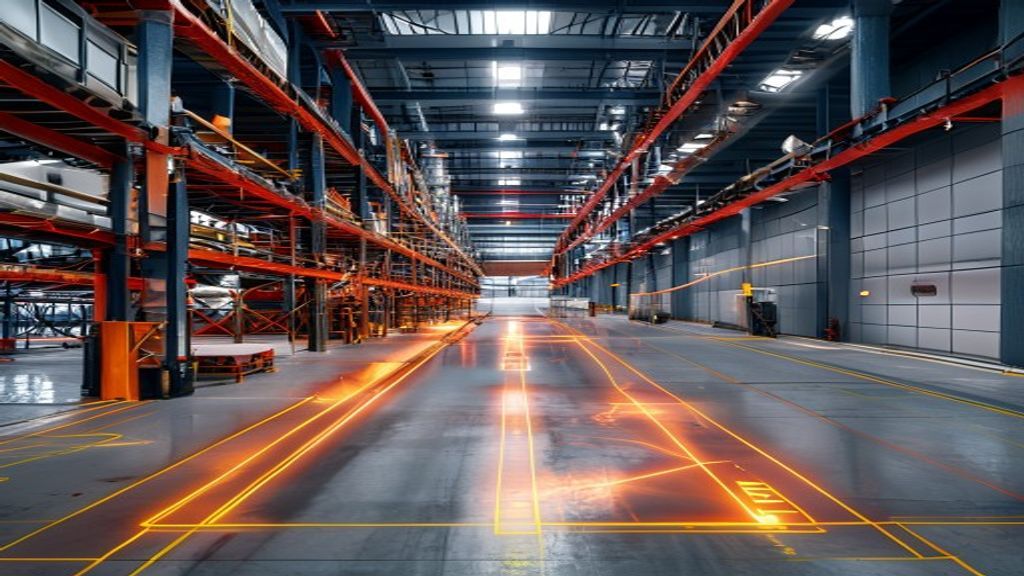
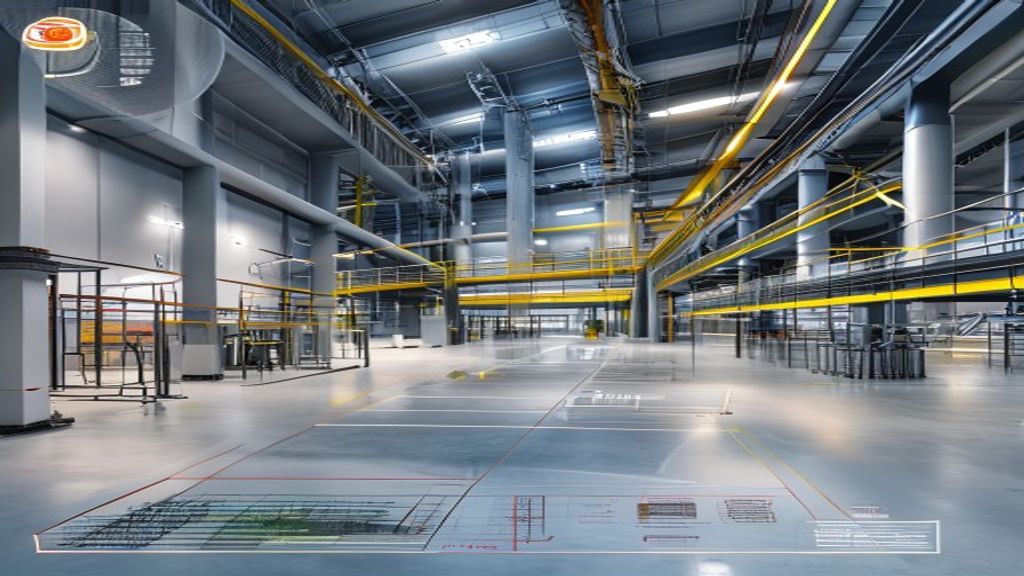
Advanced Fire Suppression System Design and Implementation in Saudi Oil & Petrochemical Facilities: A Comprehensive Guide to NFPA and Saudi Civil Defense Standards
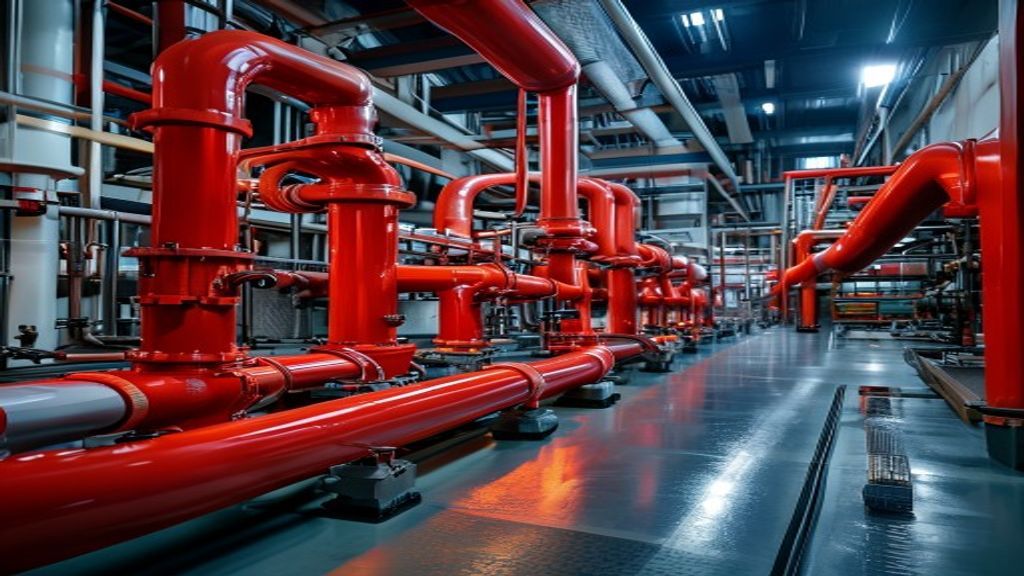
Introduction: A Fortress of Safety in the Heart of Industry
Oil and petrochemical facilities are the backbone of the global economy and the heart of industry in Saudi Arabia. However, they are also high-risk work environments due to the nature of flammable and explosive hydrocarbon materials. Any fire incident in these facilities not only threatens lives and property but can also cause widespread environmental and economic disasters with repercussions lasting for years. Therefore, designing and implementing fire suppression systems is not just a preventive measure, but a vital investment in business sustainability and the protection of human and material assets. At Initial Safety, we understand the magnitude of this responsibility and strive to provide integrated solutions that ensure the highest levels of safety and compliance with stringent international and local standards.
This article aims to provide a comprehensive guide for engineers, project managers, and facility owners in the Kingdom, covering the fundamental principles and standards for designing and implementing specialized fire suppression systems for these complex environments, with a focus on National Fire Protection Association (NFPA) standards, Saudi Civil Defense (SCD) requirements, and the Saudi Building Code (SBC 801).
Unique Challenges of Oil and Petrochemical Facilities
Oil and petrochemical facilities have characteristics that make fire suppression system design a complex task requiring deep expertise. These challenges include:
- Material Nature: Handling highly flammable and explosive liquids and gases, which require entirely different extinguishing strategies than ordinary fires.
- Complex Operations: The presence of intricate production, refining, and storage processes involving high pressures and temperatures, increasing the likelihood of accidents.
- Vast and Open Areas: Requiring coverage for large areas including massive tanks, pipelines, processing units, and control rooms, making it difficult to control a fire in its early stages.
- Harsh Environments: Exposure to high temperatures, humidity, and salinity in some locations, affecting equipment efficiency and durability.
- Spread Risks: Rapid fire spread between adjacent units or within the complex itself due to large quantities of fuel.
- Continuity Requirements: The necessity to ensure operational continuity as much as possible even in emergencies, necessitating suppression systems that do not completely halt production.
Key Standards and Regulations: NFPA, SBC 801, and Saudi Civil Defense
To ensure the highest levels of safety, all fire suppression systems in oil and petrochemical facilities in Saudi Arabia must comply with a set of strict standards and regulations, notably:
- National Fire Protection Association (NFPA): NFPA standards are the most important global reference in fire safety. For oil and petrochemical facilities, codes such as the following are particularly applied:
- NFPA 30: Flammable and Combustible Liquids Code.
- NFPA 59A: Standard for the Production, Storage, and Handling of Liquefied Natural Gas (LNG).
- NFPA 11: Standard for Low-, Medium-, and High-Expansion Foam.
- NFPA 15: Standard for Water Spray Fixed Systems for Fire Protection.
- NFPA 72: National Fire Alarm and Signaling Code.
- Saudi Building Code (SBC 801): This code is an integral part of the Kingdom's building system, focusing on fire safety requirements in various facilities, including industrial ones. It integrates many NFPA principles and adapts them to suit the local environment and regulations, and must be adhered to throughout all design and implementation phases.
- Saudi Civil Defense Requirements: The Civil Defense is the primary regulatory and supervisory body in the Kingdom. The Civil Defense sets its own regulations and procedures that must be observed, which are often based on NFPA standards and supplemented by additional local requirements to ensure the highest levels of safety. Necessary approvals from the Civil Defense must be obtained at every stage of the project, from design to final inspection and operation.
Types of Fire Suppression Systems Suitable for Industrial Facilities
Each type of fire and risk in oil and petrochemical facilities requires a specific suppression system. Here are the main systems used:
Foam Systems
Effective for flammable liquid fires (Class B) in storage tanks and loading areas. They isolate fuel, cool it, and prevent re-ignition, with types like AFFF and AR-AFFF.
Deluge/Water Spray Systems
Provide intense, rapid water coverage to cool equipment and protect structures. Activated by detectors, they discharge high volumes of water, ideal for process units and pump stations.
Clean Agent Systems
For sensitive areas like control rooms, they remove oxygen or absorb heat without residue (e.g., FM-200, Novec 1230), allowing quick resumption of operations.
Water Mist Systems
Spray very fine water droplets at high pressure, increasing cooling efficiency and reducing water consumption and collateral damage. Used in gas turbines and engine rooms for rapid response.
Other Specialized Suppression Systems
Include dry chemical systems for gas, liquid, and combustible metal fires, and CO2 systems for unoccupied areas. Selection depends on a thorough risk analysis and material type.
Stages of Fire Suppression System Design: A Comprehensive Methodology
Designing an effective fire suppression system requires a precise methodology and specific stages to ensure complete coverage and compliance with standards:
Risk Assessment
Identifying potential ignition sources, material types, and fire spread scenarios. Includes P&ID and HAZOP analysis, and classification of hazardous areas according to NFPA 70 to define the scope of protection.
System Selection
Based on the risk assessment, the most suitable fire suppression systems (foam, water, clean agents) are chosen for each area. The selection must align with relevant NFPA requirements and the anticipated fire type.
Detailed Engineering Design
Preparing engineering drawings, calculating flows and pressures, selecting pumps, determining sprinkler/foam nozzle locations, and designing detection and control systems. Includes access and maintenance plans.
Pump Room Requirements
The heart of the system, its design and implementation must comply with NFPA 20 and Saudi Civil Defense requirements for designing and implementing pump rooms in fire suppression systems, including ventilation, protection, and backup power sources.
Best Practices in Implementing and Maintaining Fire Suppression Systems in Saudi Arabia
The success of a fire suppression system is not complete with good design alone; it extends to professional implementation and effective regular maintenance. To achieve this, we recommend following these best practices:
Adherence to Quality and Standards
Implementation must be carried out by qualified and experienced contractors in industrial facilities, with strict adherence to NFPA, SBC 801, and Saudi Civil Defense requirements. Initial Safety ensures the application of the latest technologies and best practices.
Continuous Training and Qualification
Training workforces on system operation and maintenance, along with regular training programs on emergency and evacuation plans. Proper knowledge significantly increases response effectiveness and reduces damage.
Regular Maintenance and Testing
Preventive maintenance and regular testing according to NFPA 25 are vital to ensure system readiness. Initial Safety offers integrated solutions for periodic maintenance and testing.
Continuous Update and Improvement
Regularly reviewing and updating systems with evolving technology and industrial processes. This ensures their effectiveness and meeting current needs, similar to what is required in designing fire systems in high-rise buildings according to Saudi Civil Defense and NFPA standards.
Common Mistakes to Avoid in Fire System Design
Despite the importance of fire suppression system design, there are some common mistakes that can reduce their effectiveness or increase risks:
Neglecting Risk Assessment
Failure to conduct a comprehensive risk assessment or underestimating its scope leads to inappropriate or insufficient capacity systems, exposing the facility to severe risks in case of fire.
Non-Compliant Design
A design that does not fully comply with NFPA, SBC 801, and Saudi Civil Defense requirements can lead to project rejection or system failure when needed. Unapproved solutions should be avoided.
Neglecting Regular Maintenance and Testing
A fire suppression system, no matter how advanced, becomes useless if not regularly maintained and tested. Hidden faults or corrosion can impede system operation during an emergency, leading to catastrophic results.
Disregarding Building Materials
Ignoring the importance of using fire-resistant building materials in commercial and industrial facilities reduces the effectiveness of suppression systems and increases fire spread.
Case Studies and Examples from the Saudi Market
Leading Saudi companies like Aramco and SABIC are heavily investing in the latest fire safety technologies, implementing advanced foam and deluge systems. Initial Safety has contributed to successful projects, providing customized solutions that ensure full compliance with international and local standards, enhancing the safety of critical industries.
The Role of Initial Safety in Enhancing Industrial Facility Safety
In fire safety, there is no room for risk, especially in environments like oil and petrochemical facilities. Initial Safety is committed to providing the latest technologies and innovative solutions for the design, implementation, and maintenance of fire suppression systems. Our team of qualified experts offers specialized consultations and accurate risk assessments to ensure that the needs of the Saudi market are met efficiently and your facilities remain safe.
Conclusion: An Investment in Safety and the Future
The design and implementation of fire suppression systems in oil and petrochemical facilities are strategic investments to protect lives, assets, and business continuity. Adherence to standards and collaboration with specialized partners ensure the Kingdom's industrial leadership with safety.
Frequently Asked Questions (FAQ)
- What are the main NFPA standards applied to oil and petrochemical facilities in Saudi Arabia?
- NFPA 30, 11, 15, 72, along with Civil Defense and SBC 801 requirements, are key standards for Saudi oil and petrochemical facilities.
- Why are foam systems essential in oil facilities?
- Essential for flammable liquid fires (Class B). They isolate fuel from oxygen and cool it, preventing re-ignition and limiting spread.
- What is the role of Saudi Civil Defense in approving fire suppression systems?
- The official authority for approving fire suppression system designs and supervising their implementation. Compliance is vital for operating licenses and safety.
- What is the importance of regular maintenance for fire suppression systems?
- Ensures system readiness for emergencies. Neglecting it leads to failures, endangering lives and property (per NFPA 25).
- Can clean agent systems be used in all areas of oil facilities?
- Used only for sensitive areas (control rooms) where water is harmful. Flammable material areas prefer foam and water systems.
- What is the difference between a Sprinkler system and a Deluge system?
- Traditional sprinklers operate individually. Deluge systems discharge water over an entire area instantly via separate detectors for high-hazard, intense response.
- What is the first step when designing a fire suppression system for a new petrochemical facility?
- Conducting a comprehensive Risk Assessment to identify materials, ignition sources, and fire scenarios, crucial for optimal system selection and design.
References and Official Sources
- National Fire Protection Association (NFPA) - www.nfpa.org
- Saudi Building Code (SBC 801) - Fire Protection Requirements - www.sbc.gov.sa
- General Directorate of Saudi Civil Defense - www.998.gov.sa