In-depth Analysis of Saudi Building Code (SBC 801) Requirements and its Integration with NFPA Standards for Fire Safety
Introduction: Pillars of Fire Safety in Saudi Arabia
In light of the rapid urban development witnessed in the Kingdom of Saudi Arabia, there is a growing and urgent need to ensure the highest degrees of safety and protection for lives and property. Fire safety is a fundamental aspect of any construction project; it is not merely a legal requirement but an investment in a safe and sustainable future. Here, the Saudi Building Code (SBC) emerges as a comprehensive national reference that defines the minimum standards and requirements for building design and implementation, with a particular focus on the Saudi Fire Prevention Code (SBC 801).
This code aims to standardize practices and raise quality levels across the Kingdom, leveraging the best international standards while adapting them to suit the local context. From this perspective, Initial Safety offers integrated consulting and implementation services to ensure full compliance with these standards, contributing to building a safer urban environment. This article will delve into an analysis of the Saudi Building Code (SBC 801) requirements in the field of fire safety, reviewing the aspects of integration and key differences between it and the National Fire Protection Association (NFPA) standards. This is intended to provide engineers, project managers, and building owners with practical insights and clear guidance to ensure the highest levels of safety.
The Strategic Importance of the Saudi Building Code (SBC 801)
The Saudi Building Code represents a qualitative leap in the Kingdom's construction sector, establishing a rigorous regulatory framework to ensure the quality and safety of buildings. SBC 801, specifically, is the cornerstone in achieving fire safety for several strategic reasons:
- Protection of Lives and Property: The ultimate goal of the code is to reduce fire risks and provide a safe environment for occupants and users, through the design and implementation of systems capable of detecting, controlling, and extinguishing fires, and providing safe evacuation routes.
- Standardization: The code ensures the application of unified standards across the Kingdom, reducing variations in fire safety quality between different projects and facilitating inspection and licensing processes.
- Keeping Pace with Global Developments: SBC 801 is based on the latest international practices and standards, especially NFPA standards, with modifications to suit the climatic, cultural, and legislative conditions in the Kingdom.
- Supporting Sustainable Development: By promoting safety and quality, the code contributes to building long-lasting facilities and reducing losses from accidents, thereby supporting Vision 2030 in achieving comprehensive and sustainable development.
Key Differences and Integration between SBC 801 and NFPA Standards
The Saudi Fire Prevention Code (SBC 801) serves as an adaptation and localization of international standards, particularly those issued by the National Fire Protection Association (NFPA). This integration ensures that the Kingdom benefits from global expertise while maintaining its legislative and environmental distinctiveness.
NFPA as a Global Reference:
NFPA is globally recognized as the leading authority in developing fire safety standards, covering a wide range of aspects from the design of fire suppression and alarm systems to building and material requirements. These standards form the basis upon which many national codes worldwide are built.
Adapting NFPA to Suit the Saudi Context:
Despite SBC 801's significant reliance on NFPA standards, it is not an exact copy. Instead, it includes modifications and clarifications that take into account local conditions, such as:
- Climatic Conditions: Specific ventilation and cooling requirements that may affect the design of smoke control systems.
- Construction Practices: Adapting some requirements to suit common building methods in the Kingdom.
- Administrative and Legislative Procedures: Incorporating Saudi Civil Defense requirements and local licensing procedures.
Points of Convergence and Divergence:
Most fundamental fire safety requirements in SBC 801 and NFPA align in their general principles, such as the need for safe exits, effective alarm systems, and fire-resistant building materials. However, they may differ in application details, such as the required sprinkler density for certain occupancy types, or the required fire-resistance rating for specific structural elements. It is essential for engineers and specialists to understand these subtle differences to ensure full compliance. For more details on applying these standards, you can refer to The Comprehensive Guide: Applying SBC 801 and NFPA Standards for Designing and Implementing Fire Safety Systems in Saudi Buildings.
Fire Safety Requirements in SBC 801: A Detailed Overview
SBC 801 divides fire safety requirements into several main categories to ensure comprehensive coverage of all aspects of building protection.
Architectural Design Requirements:
- Fire Resistance of Structural Elements: The code specifies the minimum fire-resistance rating required for walls, ceilings, columns, and other load-bearing elements based on the building type, height, and occupancy.
- Emergency Exits and Egress Paths: The code mandates providing a sufficient number of emergency exits, specifying their width, travel distances, ensuring they are free of obstructions, and equipping them with emergency lighting and clear directional signs.
- Hazard Separation: The code requires separating high-hazard areas (such as storage rooms, generator rooms, electrical rooms) from the rest of the building using fire-rated walls and doors to reduce fire spread.
Active Fire Protection Systems:
These systems are designed for rapid intervention in case of fire:
- Automatic Sprinkler Systems: The code specifies when sprinkler systems are mandatory (e.g., high-rise buildings, large warehouses, certain occupancy types), and sets standards for their design, installation, and maintenance.
- Fire Alarm Systems: The code mandates the installation of integrated fire alarm systems (manual and automatic), with smoke and heat detectors, audible and visual alarms, and connection to a central control room and possibly to the Civil Defense.
- Special Fire Suppression Systems: For areas with special hazards (e.g., server rooms, commercial kitchens), suppression systems using clean agents or wet/dry chemical agents may be required.
Passive Fire Protection Systems:
These systems aim to contain fire and prevent its spread:
- Fire-Resistant Materials: The code encourages the use of building materials with appropriate fire-resistance ratings to reduce the speed of fire and smoke spread.
- Smoke and Fire Barriers: Designing fire-rated barriers, walls, and doors to limit the spread of fire and smoke within the building and between floors and different areas.
- Smoke Control and Management Systems: The code requires the installation of smoke extraction and control systems, especially in large buildings or open-plan areas, to ensure egress paths remain clear.
Applying Standards in Different Building Types: Saudi Examples
SBC 801 requirements vary depending on the nature of the building and its occupancy type, necessitating a precise understanding of each case.
- Residential and Commercial Buildings: In high-rise residential and commercial towers in cities like Riyadh and Jeddah, the code applies strict requirements for automatic sprinkler systems, multiple emergency exits, advanced fire alarm systems, and smoke control systems, to ensure safe and efficient evacuation of large numbers of people.
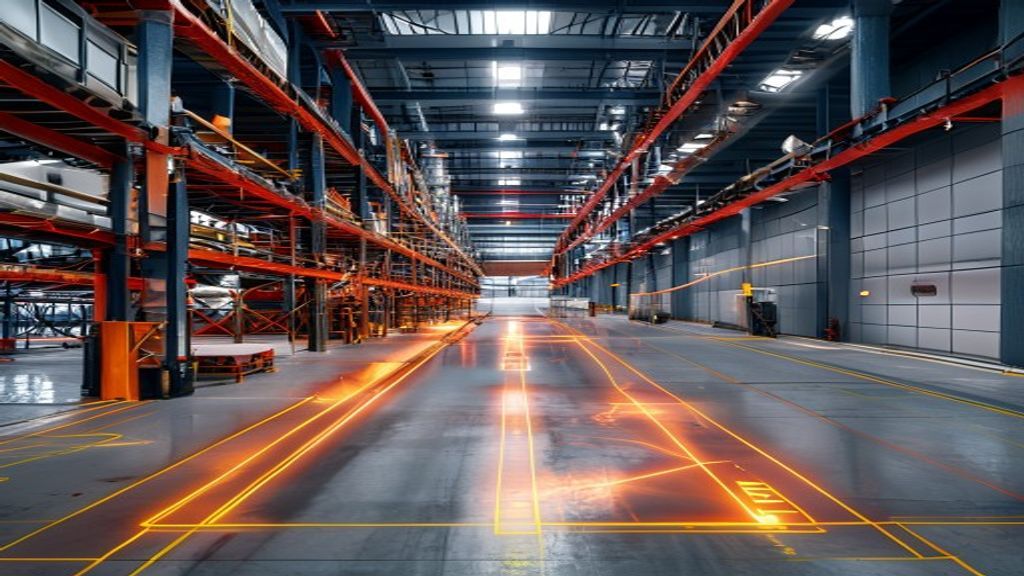
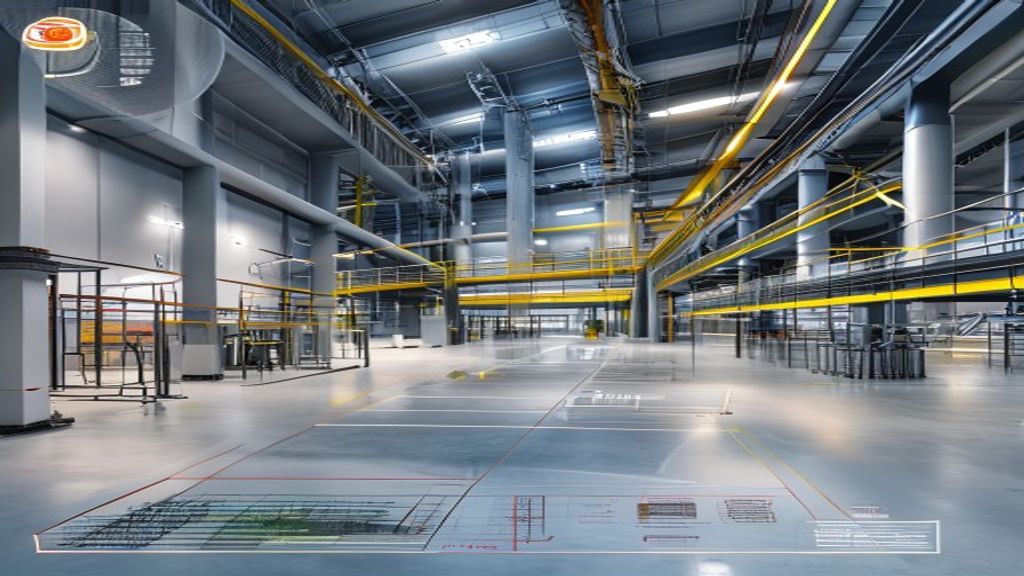
- Industrial Facilities and Warehouses: In industrial cities such as Jubail and Yanbu, large warehouses and factories containing hazardous materials require special fire suppression systems (e.g., foam or gas systems), in addition to high-density sprinkler systems, and compartmentation of the building into smaller fire zones to control fire spread. Initial Safety provides customized solutions for these facilities to ensure compliance with the highest industrial safety standards.
- Hospitals and Healthcare Facilities: In hospitals, fire safety is paramount due to the presence of patients with limited mobility. Therefore, the code emphasizes early warning systems, defend-in-place strategies, fire suppression systems that do not harm sensitive medical equipment, and strict requirements for fire-resistant materials.
- Educational Campuses and Universities: In schools and universities, the code focuses on providing clear and easy-to-use egress paths for students and teachers, effective alarm systems, and regular evacuation drills, considering the high occupancy density.
Best Practices for Designing and Implementing Fire Safety Systems
To achieve the highest degrees of safety and code compliance, an integrated and professional approach must be followed:
- Early Planning and Integrated Coordination: Fire safety considerations must be integrated into the early stages of architectural and structural design, with continuous coordination among all disciplines (architectural, structural, mechanical, electrical) to ensure system integration.
- Engaging Qualified Experts: Relying on specialized and certified fire safety engineers and consultants to ensure systems are designed according to SBC 801 and NFPA. Initial Safety plays a leading role in providing these consultations with extensive experience in the Saudi market.
- Quality Checks and Continuous Inspection: Conducting rigorous quality checks during various implementation phases, in addition to regular inspections after completion, to ensure that installations conform to designs and standards.
- Training and Awareness: Training building occupants on how to use safety systems, evacuation procedures, and how to act in emergencies.
Example of a Comparison Table between SBC 801 and NFPA Requirements for Specific Systems
| Requirement | SBC 801 | NFPA (Example) | Notes |
|---|---|---|---|
| Travel Distance to Emergency Exit | Specifies maximum distances based on occupancy type | NFPA 101 specifies similar maximum distances | Largely identical with minor differences depending on specifics |
| Sprinkler Coverage in Parking Garages | Mandatory in most multi-story parking garages | NFPA 13 specifies sprinkler density and coverage | SBC 801 may require higher density in some cases |
| Fire Resistance Rating for Walls | Specified based on building type and height (e.g., 2 hours) | NFPA 220 specifies fire resistance classifications | Similar requirements, but SBC 801 considers regional conditions |
Common Mistakes in Applying SBC 801 and How to Avoid Them
Despite the clarity of the code, there are some common mistakes that can occur during design or implementation:
- Reliance on Minimum Requirements: Simply meeting the minimum code requirements may not always provide the maximum possible protection, especially in high-hazard buildings. It is preferable to exceed these requirements where possible to enhance safety.
- Neglecting Regular Maintenance: Even the best-designed systems will not be effective if not regularly maintained. Comprehensive maintenance plans must be established, and systems tested periodically to ensure their readiness.
- Failure to Keep Up with Updates: The Saudi Code and NFPA standards are updated periodically. Failure to follow and apply these updates may lead to non-compliance.
- Lack of Training and Awareness: Failure to train employees and occupants on the use of safety systems and emergency procedures reduces the effectiveness of these systems when needed.
The Role of Regulatory and Legislative Bodies in the Saudi Market
Several entities play a pivotal role in overseeing the application of the Saudi Fire Prevention Code:
- Saudi Civil Defense: It is the primary authority responsible for licensing and approving fire safety plans, conducting inspections of buildings, issuing completion certificates, and ensuring the application of all SBC 801 and NFPA requirements.
- Saudi Standards, Metrology and Quality Organization (SASO): SASO works to develop and approve standard specifications for materials and equipment used in fire safety systems, ensuring their quality and reliability.
- Municipalities and Regional Secretariats: They are an essential part of the licensing and construction process, ensuring that plans and designs comply with the general requirements of the code before issuing construction permits.
Continuous Qualification and Training in Fire Safety
Trained and qualified human resources are a fundamental pillar in achieving fire safety. Compliance with code requirements is only complete with the presence of personnel capable of understanding, applying, and maintaining them.
- Importance of Professional Certifications: Engineers and technicians working in fire safety must obtain accredited professional certifications (such as NFPA certifications, or recognized local certifications) to ensure their competence and knowledge of the latest standards and practices.
- Available Training Programs: Many specialized training programs are available in the Kingdom covering various aspects of fire safety, from code fundamentals to the design, installation, and testing of complex systems. Investing in these programs benefits project quality and building safety.
- Role of Specialized Companies: Leading companies such as Initial Safety contribute to raising the level of qualification through internal training programs, workshops, and knowledge transfer to their teams and clients, thereby enhancing a comprehensive preventive culture.
Conclusion: Towards a Safer Future
The analysis of the Saudi Building Code (SBC 801) requirements and their integration with NFPA standards reveals the Kingdom's steadfast commitment to the safety of its citizens, residents, and property. Applying these standards is not just a routine procedure; it is a vital investment that ensures business continuity and protects lives. All concerned parties – from developers and engineers to facility managers and occupants – must diligently play their part in ensuring full compliance with these requirements.
Continuous cooperation between the public and private sectors, exchange of expertise, and adherence to best practices are the only way to build a safe and sustainable urban environment. As the Kingdom continues its ambitious development journey, fire safety remains at the core of its priorities. Initial Safety remains committed to supporting this vision by providing integrated and innovative fire safety solutions, ensuring a safer future for everyone in Saudi Arabia.
Frequently Asked Questions (FAQ)
- What is the Saudi Fire Prevention Code (SBC 801)?
- It is part of the Saudi Building Code that defines the minimum requirements for the design and implementation of fire safety systems and the protection of buildings and lives in the Kingdom of Saudi Arabia.
- What is the relationship between SBC 801 and NFPA standards?
- SBC 801 heavily relies on international NFPA standards but adapts and localizes them to suit the legislative, environmental, and climatic context of the Kingdom, with some subtle differences in application.
- Is the application of SBC 801 mandatory in all buildings in the Kingdom?
- Yes, the application of the Saudi Building Code, including SBC 801, is mandatory for all new buildings and facilities, as well as significant expansions or modifications to existing buildings in the Kingdom of Saudi Arabia.
- What are the main bodies responsible for overseeing the application of SBC 801?
- The Saudi Civil Defense is the primary authority, in addition to the Saudi Standards, Metrology and Quality Organization (SASO) and municipalities and regional secretariats.
- What is the difference between active and passive fire protection systems?
- Active fire protection systems are those that require intervention (human or automatic) to operate when a fire breaks out, such as sprinkler and alarm systems. Passive fire protection systems are those that contain fire and limit its spread without direct intervention, such as fire-rated walls and doors and structural materials.
- Is regular maintenance of fire safety systems necessary?
- Yes, regular maintenance is essential and crucial to ensure the readiness and effectiveness of all fire safety systems at all times, and it is a fundamental requirement of the code and the Civil Defense.
Official References
- Saudi Fire Prevention Code (SBC 801).
- National Fire Protection Association (NFPA Standards).
- General Directorate of Saudi Civil Defense (DGCD).
- Saudi Standards, Metrology and Quality Organization (SASO).