A Guide for Facility Engineers on Using Foam Fire Suppression Systems: NFPA 13 & NFPA 11 Standards
Introduction: The Critical Role of Foam Fire Suppression Systems
In a world of increasing security and industrial challenges, fire protection systems are a fundamental pillar for ensuring life safety, property protection, and business continuity. While water-based sprinkler systems are highly effective against many types of fires, a specific category of fires, particularly those involving flammable liquids such as petroleum, chemicals, and polar solvents, demands more specialized solutions. This is where foam fire suppression systems come into play, offering an additional layer of protection that water alone cannot provide. Experts at Initial Safety emphasize that understanding and correctly applying these systems according to international standards is key to effective protection in these hazardous environments.
This comprehensive guide aims to equip facility engineers with the necessary knowledge regarding the design, installation, and maintenance of foam fire suppression systems, focusing on standards issued by the National Fire Protection Association (NFPA), specifically NFPA 11 and NFPA 16, and how they integrate with the principles of NFPA 13, which is the cornerstone of water-based sprinkler system design. The guide will also address Saudi Civil Defense requirements to ensure compliance with local regulations.
Understanding Foam Fire Suppression Systems
What is Firefighting Foam and How Does It Work?
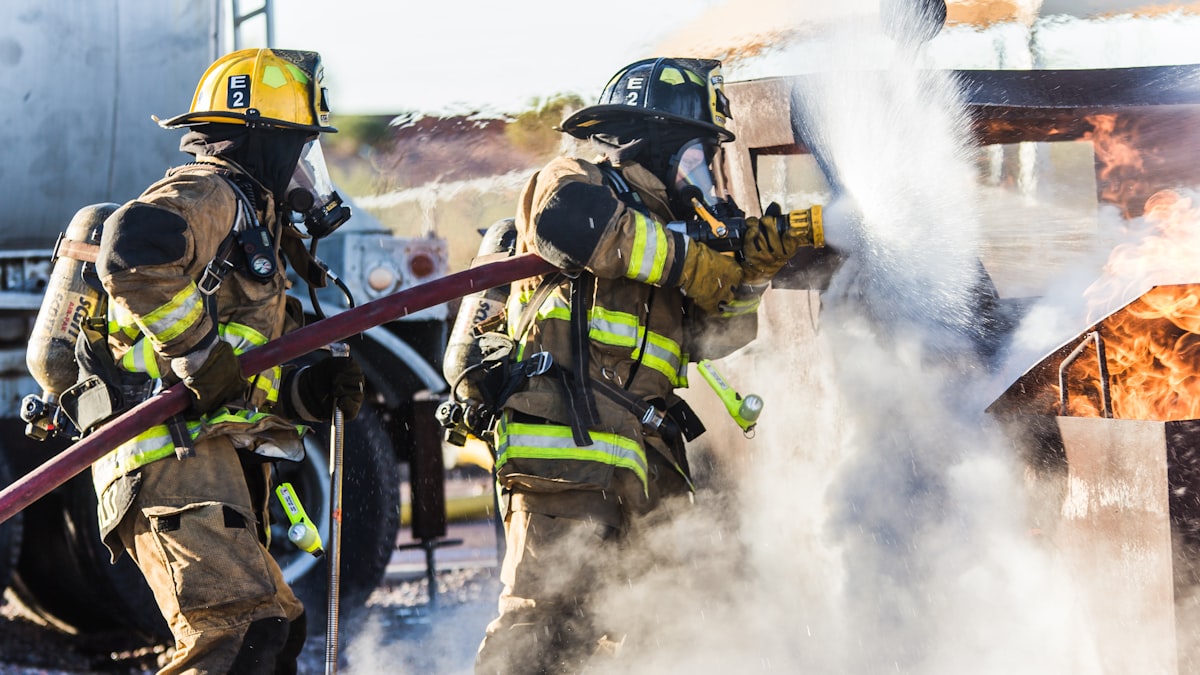
Firefighting foam is a substance composed of a mixture of water, foam concentrate, and air. It works through multiple mechanisms to extinguish fires, especially Class B fires (flammable liquids and gases):
- Smothering: Foam forms an insulating blanket on the fuel surface, preventing oxygen from reaching the fire.
- Cooling: The water content in the foam provides a cooling effect, helping to reduce the temperature of the fuel and flames.
- Separation: The foam layer separates the fuel from the flame, preventing re-ignition.
Types of Foam and Their Applications
There are several types of foam concentrates, each with specific properties and applications:
- AFFF (Aqueous Film-Forming Foam): Foam that forms a thin aqueous film on the fuel surface, highly effective against hydrocarbon fires.
- AR-AFFF (Alcohol-Resistant Aqueous Film-Forming Foam): Designed for use against polar liquids (such as alcohols and solvents) that destroy regular foam.
- FFFP (Film-Forming Fluoroprotein Foam): Combines the characteristics of AFFF and protein foam for a more durable and heat-resistant blanket.
- High-Expansion Foam: Produces very large quantities of lightweight foam to cover vast areas or fill large voids, often used in protecting large warehouses and aircraft hangars.
The selection of foam type depends on the nature of the hazard, the type of fuel, ambient temperature, and environmental requirements.
NFPA 13 and its Relationship to Foam Systems: Essential Integration
Although NFPA 13 (Standard for the Installation of Sprinkler Systems) primarily focuses on water-based systems, its guidelines regarding pipe design, water supply requirements, and sprinkler distribution form a foundation upon which foam-water system designs can be built. Foam-water sprinkler systems often utilize similar piping networks to those used in traditional sprinkler systems.
However, the primary standards for the design and installation of foam systems are:
- NFPA 11 (Standard for Low-, Medium-, and High-Expansion Foam): This standard covers the design, installation, testing, and maintenance of foam systems that do not use sprinklers or spray nozzles (such as surface application foam systems or generators).
- NFPA 16 (Standard for the Installation of Foam-Water Sprinkler and Foam-Water Spray Systems): This standard is the primary reference for foam-water systems that discharge foam through sprinklers or spray nozzles, often used to protect areas containing hazardous materials requiring both cooling and smothering simultaneously.
Initial Safety, drawing from its extensive experience in the Saudi market, recommends a thorough understanding of the overlap between these standards. While NFPA 13 defines general hydraulic requirements and piping specifications, NFPA 11 and NFPA 16 provide specific details for foam concentrates, proportioning equipment, discharge devices, and foam concentrate water supply requirements. Compliance with these standards ensures an effective and safe design.
Key Design and Installation Considerations for Foam Systems
Designing a foam fire suppression system requires careful consideration of several factors to ensure its effectiveness:
1. Hazard Assessment and Fuel Type Identification
The type of fuel (hydrocarbon, polar, etc.), the extent of the hazard, and the protected area must be identified to determine the appropriate foam type and required application rate. For example, a petrochemical storage facility will require a different system than an aircraft hangar.
2. Foam Concentrate and Proportioning Equipment Selection
The foam concentrate must be selected with an appropriate concentration ratio (typically 1%, 3%, or 6%). Proportioning devices are used to accurately mix the foam concentrate with water. These devices include balanced pressure proportioners, foam pumps, and injectors.
3. Water and Foam Supply Requirements
There must be an adequate water source with the required pressure and flow for a specified duration (typically 10-30 minutes depending on the hazard type). The system also requires a storage tank for foam concentrate, sized to operate the system for the required duration.
4. Discharge Devices
Discharge devices include foam-water sprinklers, spray nozzles, foam generators, and foam monitors. The choice of device determines the method of foam application and area coverage.
5. Detection and Control Systems
Foam systems must be integrated with fire alarm and detection systems (such as smoke, heat, and flame detectors) to ensure rapid response and automatic system activation. This includes control panels and release systems.
6. Compliance with Local Regulations and Saudi Civil Defense
In addition to NFPA standards, all systems must comply with Saudi Civil Defense requirements, which may include additional or specific stipulations for facilities in the Kingdom. The Initial Safety team has observed that early coordination with Civil Defense authorities helps avoid delays and ensures final approval.
Maintenance, Testing, and Best Practices
The continuous effectiveness of foam systems largely depends on regular maintenance and routine testing:
- Visual Inspection: Regularly inspect all system components for any signs of corrosion, damage, or leaks.
- Foam Concentrate Testing: Samples of foam concentrate should be tested annually to ensure they still meet specifications. This is vital, as foam quality can degrade over time.
- Flow and Pressure Testing: Conduct periodic tests to verify that the system delivers the required flow and pressure upon activation.
- Proportioner Calibration: Ensure that proportioning devices are mixing foam with water at the correct ratios.
- Training: Train personnel on how to manually operate the system and how to handle emergencies.
Initial Safety engineers adopt a comprehensive methodology that ensures foam fire suppression systems operate at their full potential when needed. This methodology includes strict preventive maintenance schedules, periodic performance testing, and meticulous documentation of all activities.
Challenges and Future Trends
The foam industry faces challenges related to the environmental impact of certain compounds, particularly per- and polyfluoroalkyl substances (PFAS), which have been part of traditional AFFF foams. Environmental and health concerns have led to the development of Fluorine-Free Foams (F3) that offer similar performance without the environmental risks. The global market, as well as regulations in various regions, is moving towards adopting these eco-friendly alternatives.
In Saudi Arabia, with the massive urban and industrial expansion under Vision 2030, the demand for advanced and sustainable protection solutions is increasing. This requires engineers to stay updated with the latest technologies and standards, and to seek solutions that combine effectiveness with environmental safety.
Conclusion
Foam fire suppression systems are an indispensable component of a comprehensive safety strategy for facilities dealing with flammable liquids. Through a deep understanding of NFPA 11 and NFPA 16 standards, their integration with the fundamental principles of NFPA 13, and compliance with Saudi Civil Defense requirements, engineers can design, install, and maintain systems that provide the highest levels of protection. Investing in these systems is not merely a regulatory obligation but an investment in business continuity and life safety. For technical consultation or accredited installation and maintenance services from Civil Defense, contact Initial Safety via initialsafety.sa.
References
- NFPA 11: Standard for Low-, Medium-, and High-Expansion Foam
- NFPA 13: Standard for the Installation of Sprinkler Systems
- NFPA 16: Standard for the Installation of Foam-Water Sprinkler and Foam-Water Spray Systems
- NFPA 25: Standard for the Inspection, Testing, and Maintenance of Water-Based Fire Protection Systems
- Saudi Building Code (SBC) - Fire Protection Part
- Saudi Civil Defense Regulations and Requirements